

Refrigerated vs. Shelf-Stable Probiotics: What’s the Difference?
At Restore + Revive in Fort Worth, we often get questions about whether refrigerated probiotics are superior to shelf-stable (freeze-dried) options. The truth is, it’s less about where they’re stored and more about how they’re made. Refrigerated probiotics contain live bacterial strains that require constant cold temperatures to remain viable. High-quality shelf-stable probiotics are often freeze-dried, a process called lyophilization. This removes moisture under cold, vacuum-sealed conditions, essentially putting the bacteria into a dormant (but alive) state.
At Restore + Revive in Fort Worth, we often get questions about whether refrigerated probiotics are superior to shelf-stable (freeze-dried) options. The truth is, it’s less about where they’re stored and more about how they’re made.
Let’s break down what really matters.
The Basics: What Are Probiotics?
Probiotics are live microorganisms that support gut, immune, and overall health. They work by balancing the bacteria in your digestive system, strengthening your intestinal barrier, and even influencing mood and inflammation.
But because they’re living organisms, stability matters, and that’s where the difference between refrigerated and shelf-stable forms comes in.
Refrigerated Probiotics
Refrigerated probiotics contain live bacterial strains that require constant cold temperatures to remain viable. They’re often heat-sensitive and can degrade quickly if exposed to warm environments for an extended period of time.
Refrigeration can help maintain potency for these strains, but it also means:
The “cold chain” must be maintained during shipping and storage.
Travel or convenience may be limited. If you are somebody who is always on the go and brings your supplements with you, this is something to be cognizant of.
If the product has been exposed to heat, some bacterial strains may be impacted.
So while refrigeration can be beneficial for certain delicate strains, it is important to be aware of the requirements to properly store and maintain the product.
Freeze-Dried (Shelf-Stable) Probiotics
High-quality shelf-stable probiotics are often freeze-dried, a process called lyophilization. This removes moisture under cold, vacuum-sealed conditions, essentially putting the bacteria into a dormant (but alive) state.
Because they’re protected from heat and moisture, these probiotics can remain stable at room temperature until they’re ingested. Once they reach your gut, the bacteria essentially “wake up” and become active in the gut.
Freeze-dried probiotics are:
Stable at room temperature, no refrigeration needed
Oftentimes maintain potency longer, even during shipping and travel
Easier for consistent daily use and/or frequent travel
Just as effective as refrigerated options when made and stored properly
The key is quality. A well-formulated, freeze-dried probiotic designed for shelf stability can be just as potent than one that requires refrigeration.
What Really Determines Probiotic Quality
Whether refrigerated or shelf-stable, the following factors matter far more than temperature:
Strain specificity: Certain strains are better studied and more effective for specific health goals (e.g., gut repair, immune support, women’s health).
Colony-forming units (CFUs): A higher number isn’t always better, what matters is the strain’s survivability through your digestive tract.
Encapsulation technology: Quality brands use protective coatings that help probiotics survive stomach acid and reach your intestines intact.
Manufacturing integrity: Trusted brands rigorously test for viability, purity, and potency throughout the product’s shelf life.
Probiotic Usage Tips
If you’re considering taking a probiotic, here are some high-level guidelines from our functional medicine providers at Restore + Revive recommend:
1. Look for resilient strains
We often recommend probiotics that include Saccharomyces boulardii, a beneficial probiotic yeast that can’t easily be killed by antibiotics. This makes it ideal for supporting gut health during or after antibiotic use.
2. Timing matters
During antibiotics: Take your probiotic 4 hours apart from your antibiotic dose to maximize effectiveness.
After antibiotics: We recommend continuing a probiotic for about 2 months post-antibiotic to help restore your gut microbiome.
3. Rotate if used long-term
If you plan to take probiotics routinely, rotating different strains can help maintain microbial diversity and prevent your body from adapting to a single formula.
4. When to prioritize usage
While not everyone needs a daily probiotic indefinitely, they can be especially helpful:
Post-illness (especially GI or stomach-bug related illnesses) or post-antibiotic treatment
During times of digestive stress
When needing additional support to immune health or gut balance
5. Brands matter
The effectiveness of probiotics depends on the specific strains, the quality of the formulation, and whether the bacteria can survive the journey through the GI tract.
Choosing the Right Probiotic for You
At Restore + Revive, we don’t put just any product on our shelves (or in our fridge). Our providers and staff are dedicated to finding the very best supplements for our clients. We meet with brand representatives, review research and ingredients, compare formulations, and evaluate pricing, all before a product ever makes it to our wellness shop.
That’s why you’ll find both shelf-stable and refrigerated probiotics available here, because we’ve vetted and approved products from each category that meet our high standards for purity, potency, and effectiveness.
Not sure which probiotic is right for you?
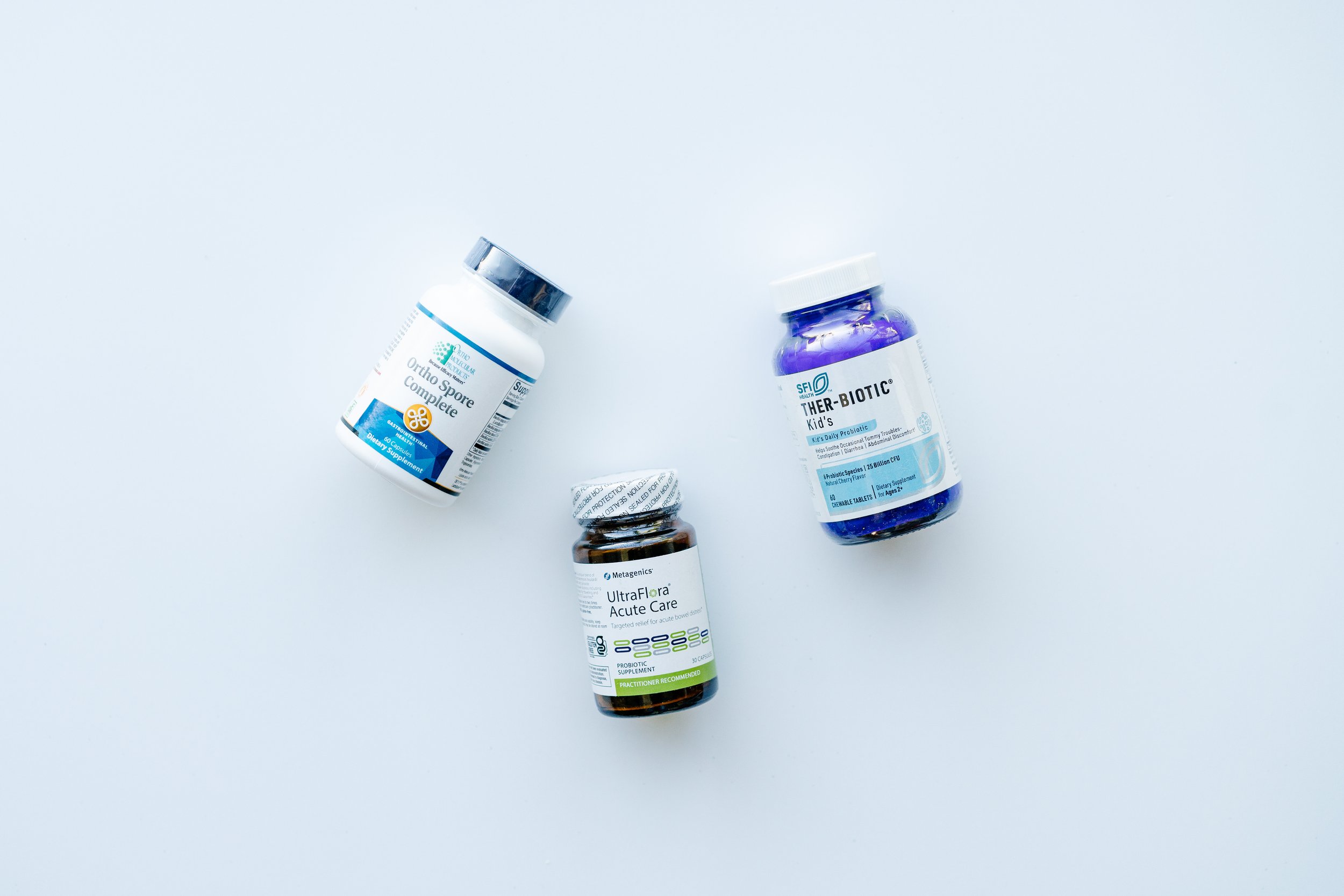
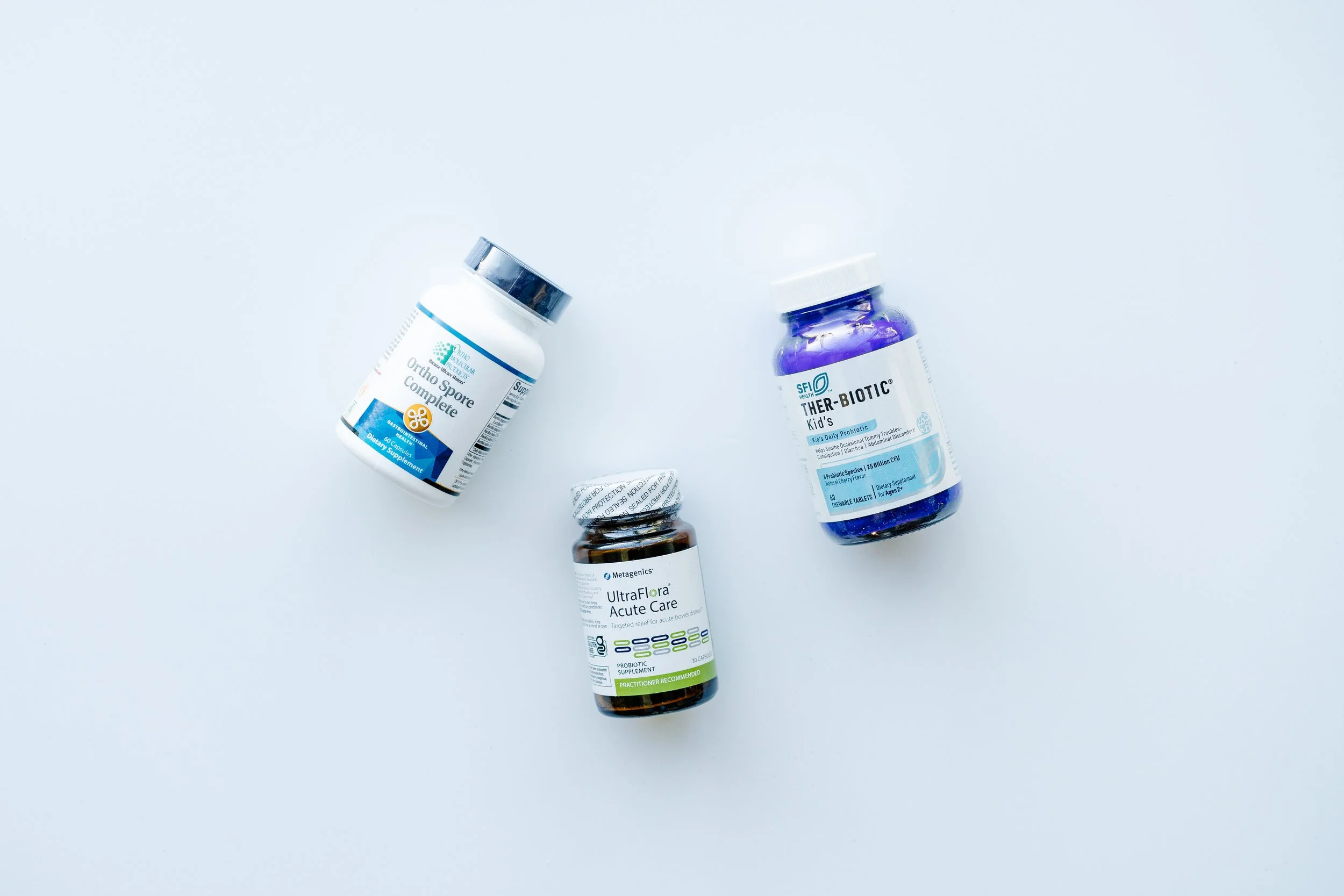
Swing by the Restore + Revive Wellness Center (4927 Byers Avenue Fort Worth, Texas 76107) and see the various probiotics we carry! Some of our favorite brands include: Ther-Biotic, Metagenics, and Ortho Molecular.
Want to meet with one of our functional medicine providers to determine the best product and dosage for you? Give us a call at (817) 720-6220 ext. 2 to book an appointment or learn more about how we can help you.
Disclaimer: The information provided in this blog is for educational and informational purposes only and is not intended as medical advice. Always consult with your healthcare provider before starting any new service, product, or treatment. Please note that prices, offerings, and other details mentioned in this post reflect information available at the time of publication and may have changed since.
Creatine 101: What It Is, What It Does, and How It Benefits Both Muscles and Mind
Creatine isn’t just for athletes, it supports muscle strength, energy, and even brain health. Learn how creatine works, its cognitive and metabolic benefits, when to take it, and why it’s a smart addition for both men and women at any age.
When you hear “creatine,” you might think of bodybuilders or elite athletes. But this naturally occurring compound is about far more than building muscle, it has also shown it can support brain function, blood sugar regulation, and healthy aging. Despite common misconceptions, creatine is not a steroid, doesn’t damage kidneys, and doesn’t cause fat gain. In fact, decades of research support its safety and effectiveness for a wide range of people, including women and older adults looking to maintain strength, cognition, and metabolic health.
What Is Creatine?
Creatine is a naturally occurring compound your body produces from amino acids. Our bodies naturally make creatine from amino acids. We get about 1–2 grams per day from foods such as meat and fish. Muscle tissue typically stores 60%–80% of its creatine at baseline, and supplementation can raise these stores by 20–40% (UCLA Health).
Higher creatine stores support short-burst energy for high-intensity movement, such as lifting, sprinting, or other resistance-based exercises. It may also aid in recovery between bouts of activity, helping your muscles replenish energy more efficiently. Essentially, creatine functions like an energy reserve for your muscles, and it’s not just for athletes. By boosting creatine levels, you can enhance physical performance, support strength, and maintain muscle mass as you age, all of which can play a vital role in blood sugar regulation, bone health, and overall wellness.
Safety Note: Creatine is generally considered safe for most healthy adults. However, if your kidneys do not filter waste efficiently or you have a history of kidney problems caution is warranted. Always talk with your healthcare provider before taking creatine or any supplement.
Creatine and Cognitive Health Benefits
One of the latest areas of research around creatine is surrounding the benefits of cognitive function. Creatine has been shown to play a role in neurogenesis, the formation of new neurons in the brain (QBI). By supporting energy production in brain cells, creatine may help improve memory, focus, and mental stamina.
A 2024 study tested the effects of a single dose of creatine on cognitive performance after one night of sleep deprivation. Fifteen participants were given either creatine or a placebo at 6pm, and their cognitive performance, including reaction times and short-term memory, was tested every 2.5 hours until 9am. The results showed that processing speed was significantly faster in the creatine group. Researchers speculate that when brain cells are under stress, such as during sleep deprivation, they rely on phosphocreatine as an energy reserve, and dietary creatine helps replenish this reserve. While this study was small and the effects are likely short-term, it highlights creatine’s potential to support cognitive function, particularly in situations of high energy demand (Nature).
Muscle, Blood Sugar, and Aging Benefits
Maintaining muscle mass is essential for overall health, particularly in regulating blood sugar levels. Muscle tissue plays a significant role in glucose metabolism, and having more muscle mass can enhance insulin sensitivity. Think of your muscles like a sponge for sugar, they help absorb glucose from the bloodstream and keep blood sugar levels balanced. Without enough muscle, that sponge shrinks, making it harder for the body to properly process sugar. Therefore, maintaining and increasing muscle mass is imperative for metabolic health. Creatine supplementation, especially when combined with resistance training, may help preserve and build muscle mass, thereby supporting better blood sugar control (MDPI Nutrients).
It’s important to note that creatine isn’t just for those looking to get “meaty” and build what some might consider to be excessive amounts of muscle. Specifically, women can see significant benefits in muscle maintenance and bone health when supplementing with creatine. As we age, especially women, there’s a natural decline in muscle mass and bone density, which increases risks of falls, fractures, and metabolic issues. Creatine has been shown to help preserve muscle strength in older adults, potentially reducing the risk of sarcopenia (age-related muscle loss) and supporting overall functional capacity (CU Anschutz).
How and When Should You Take Creatine?
Creatine is most commonly available in powdered or gummy form, and one question we often hear is: “When is the best time to take it?”
According to a 2022 study by internationally renowned sports nutrition experts, timing doesn’t appear to make a significant difference for muscle mass or performance (“Creatine O’Clock: Does Timing of Ingestion Really Influence Muscle Mass and Performance?”).
The key takeaway is consistency over timing. Whether you take it before a workout, after, or on rest days, regular daily supplementation supports muscle energy, strength, and overall health benefits.
Supporting Whole-Body Wellness
Creatine does more than just support muscle growth, it plays a vital role in energy production, cognitive function, and overall vitality. By helping your body regenerate more cellular energy (ATP), creatine supports better workout performance, quicker recovery, and even potentially improved brain function.
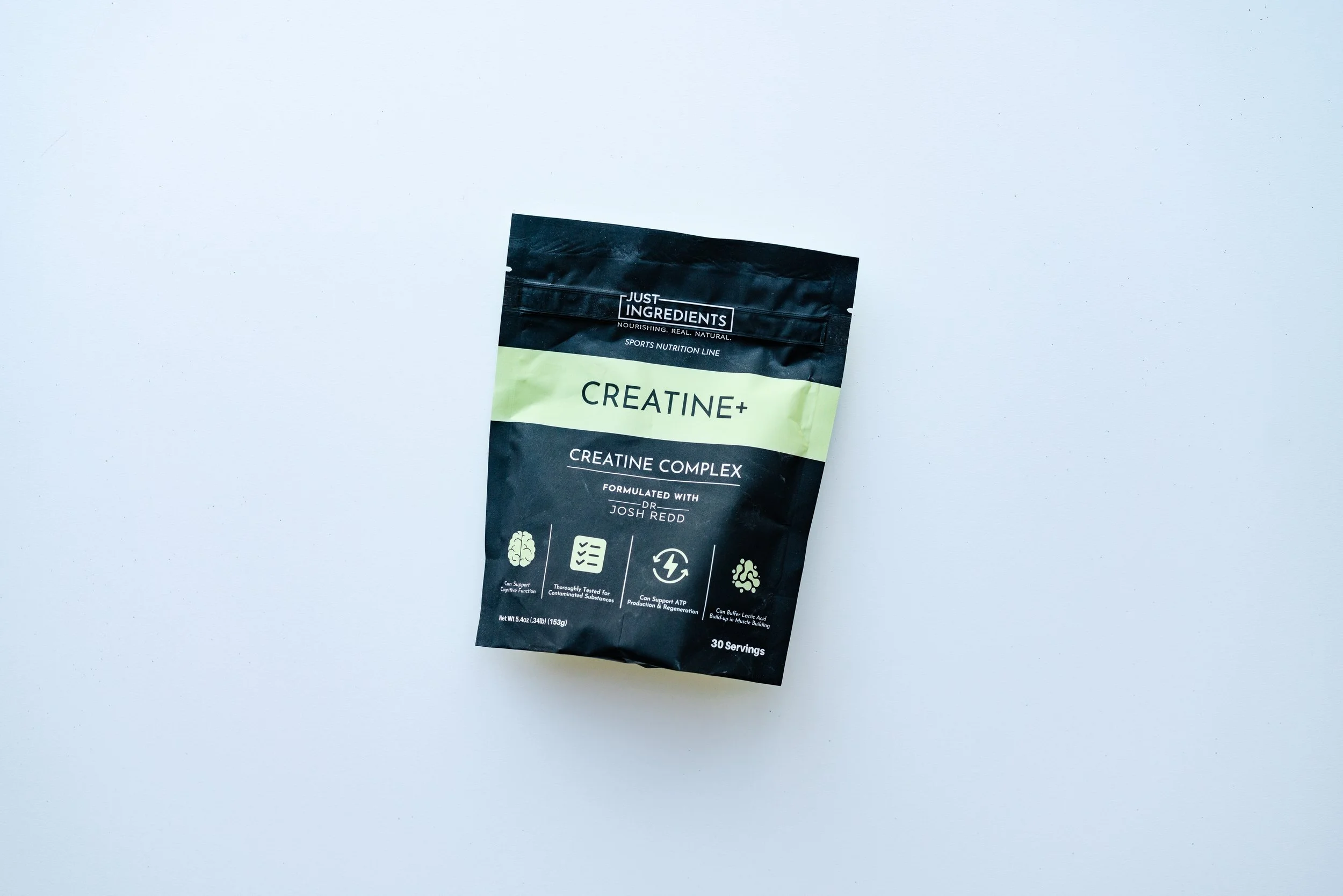
At Restore + Revive, we’re intentional about the products we offer. That’s why we carry our favorite, high-quality creatine supplement by Just Ingredients right here in the Wellness Center. Swing by and grab some creatine and other wellness supplements (4927 Byers Ave Fort Worth, Texas 76107)!
Disclaimer: The information provided in this blog is for educational and informational purposes only and is not intended as medical advice. Always consult with your healthcare provider before starting any new service, product, or treatment. Please note that prices, offerings, and other details mentioned in this post reflect information available at the time of publication and may have changed since.
Vitamin D and Immunity: Why Deficiency Spikes in Winter (and What You Can Do About It)
Vitamin D plays a key role in immune health, energy, and mood, but deficiency often spikes in the winter months. Learn why sunlight, diet, and lifestyle all impact your vitamin D levels, how to naturally support them, and what steps to take to keep your immune system strong all season long.

As the days get shorter and the weather cools down, many people start to feel run-down, fatigued, or catch more colds and viruses than usual. What’s to blame? While there isn’t one single cause, one major culprit is often low levels of vitamin D , the “sunshine vitamin.”
Vitamin D deficiencies tend to become more frequent during the winter months, and for good reason. Between spending more time indoors, shorter daylight hours, and weaker sun exposure, our bodies simply don’t produce enough. But here’s the good news: understanding how vitamin D impacts your immune system, and how to restore healthy levels, can make a big difference in how you feel all season long.
Why Vitamin D Matters for Immunity
Vitamin D is a powerhouse nutrient that plays a major role in immune defense. Essentially, Vitamin D helps regulate T-cell function and supports balanced immune responses, which play a role in defending against infections.
Vitamin D is unique because your body can produce it naturally, primarily when your skin is exposed to sunlight. When your vitamin D levels drop, your immune system can’t respond as efficiently, leaving you more vulnerable to colds, flu, and other illnesses.
Why Deficiency Spikes in Winter
Even in warm and sunny Fort Worth, vitamin D deficiency can become more common in winter. Here’s why:
Less Sunlight Exposure
During the colder months, shorter days and cooler weather mean we spend less time outside. Vitamin D is synthesized in your skin through sunlight, so less exposure = lower production.
Weaker UVB Rays
Even if you are outside, the angle of the winter sun reduces the strength of UVB rays that trigger vitamin D synthesis, especially early in the morning or late afternoon.
More Time Indoors
Between holiday gatherings, less than desirable weather, and indoor activities, many of us spend most of the day inside. Windows block UVB rays, so even sitting by a sunny window won’t boost vitamin D levels to the level needed.
Lifestyle & Nutrition
Low dietary intake can compound the problem. Few foods naturally contain vitamin D, so without supplementation or fortified foods, levels can quickly drop. It’s also no coincidence that the biggest holiday months - Halloween, Thanksgiving, Hanukkah, Christmas, and New Year’s Eve - all fall during this same time frame. Sugar and processed foods tend to be everywhere, while nutrient-dense meals and healthy eating habits often take a back seat.
These lifestyle shifts can leave your immune system more vulnerable right when your vitamin D levels are already dropping. Less sunlight, more sugar, and fewer whole foods create the perfect storm for sluggish energy, low mood, and increased susceptibility to illness.
Signs You Might Be Low in Vitamin D
Did you know Vitamin D deficiency is a common global issue. About 1 billion people worldwide have vitamin D deficiency, and approximately 35% of adults in the United States are deficient, according to the Cleveland Clinic.
Symptoms of low vitamin D can be subtle and often overlap with other conditions. Common signs include:
Frequent colds or infections
Fatigue or low energy
Muscle weakness or bone pain
Mood changes or “winter blues”
Slow wound healing
If you’re unsure, the best way to confirm deficiency is through a simple blood test.
How to Support Healthy Vitamin D Levels
At Restore + Revive, we take an individualized approach to restoring optimal Vitamin D and supporting immune health. Here’s what we recommend:
1. Spend Time Outside
Even on colder days, try to get at least 10–30 minutes of sun exposure daily, ideally around midday when UVB rays are strongest. A short walk, stretching, or simply stepping outside for fresh air can help your body produce vitamin D naturally.
2. Eat Vitamin D–Rich Foods
Vitamin D is fat-soluble, so your body can store it in fat and liver tissue. The “sunshine production” pathway creates vitamin D3 (cholecalciferol) in your skin when UVB rays hit. Once produced, it’s metabolized in the liver and kidneys into its active form that the body can use.
Some foods contain vitamin D naturally or are fortified with it. Eating these foods provides additional vitamin D that your body can absorb directly, supplementing what you might make from sunlight. While sunlight is the main source, certain foods can boost your intake:
Fatty fish like salmon, mackerel, sardines, and tuna
Egg yolks
Mushrooms- shiitake, portobello, cremini
Cows milk and fortified alternatives (soy, almond and oat milk)
Cod liver oil
Essentially, foods act as an external source of vitamin D to help maintain adequate levels when your body isn’t making enough from sunlight, which is especially important in winter months or for people who spend most of their time indoors.
3. Pair With Healthy Fats
Vitamin D is fat-soluble, meaning your body absorbs it better when eaten with healthy fats like avocado, olive oil, nuts, and seeds.
4. Get Tested
Test your vitamin D levels via a simple blood test, this provides a baseline for your provider to create a personalized supplementation plan. Everyone metabolizes vitamin D differently, so what works for one person may not be enough for another.
5. Supplement Smartly
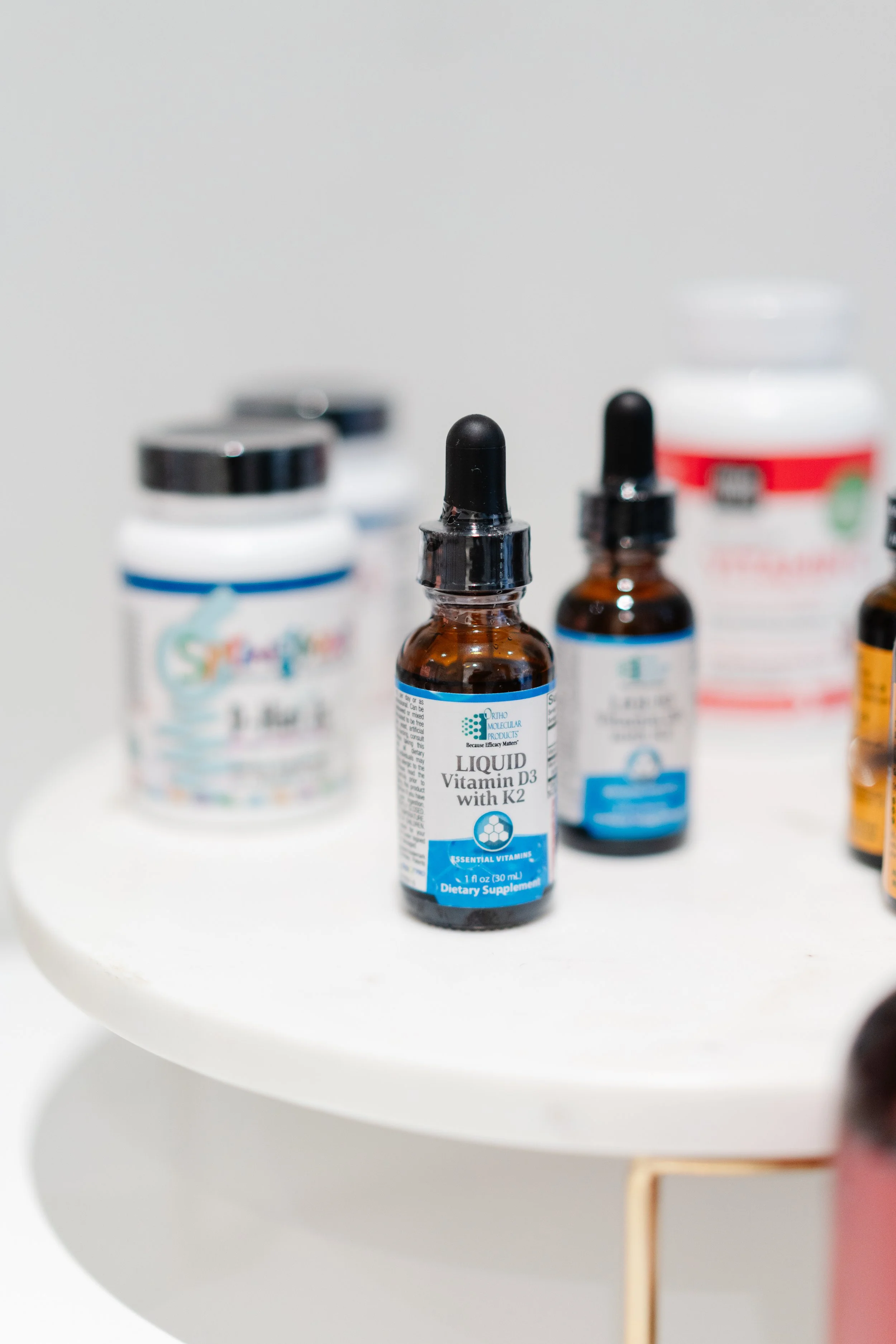
Vitamin D3 is the preferred form for most people because it’s the same type your body naturally produces. The right dose depends on your levels, absorption, and overall health, which is why our team of functional medicine providers tailor supplementation plans to each individual.
6. Pair with Vitamin K2
Vitamin K2 helps direct calcium into your bones and out of your arteries, enhancing vitamin D’s benefits and supporting cardiovascular health.
7. Prioritize Whole-Body Wellness
Optimal immunity isn’t just about one nutrient. Adequate sleep, hydration, nutrient-dense foods, and balanced stress all strengthen your immune defense.
8. Consider Vitamin Shot Therapy
For those who are significantly deficient or need faster replenishment, Vitamin D shots can deliver vitamin D and other immune-boosting nutrients directly into your system for enhanced absorption.
Support Your Immune Health This Winter in Fort Worth
If you’re feeling run-down or want to strengthen your immune system naturally, our team can help. At Restore + Revive, we combine functional medicine with individualized testing to identify nutrient deficiencies and design a plan that supports your whole-body wellness.
Call (817) 720-6220 to book an appointment or learn more about how we can help you.
Disclaimer: The information provided in this blog is for educational and informational purposes only and is not intended as medical advice. Always consult with your healthcare provider before starting any new service, product, or treatment. Please note that prices, offerings, and other details mentioned in this post reflect information available at the time of publication and may have changed since.