
Why Muscle Matters: The Foundation of Lifelong Health
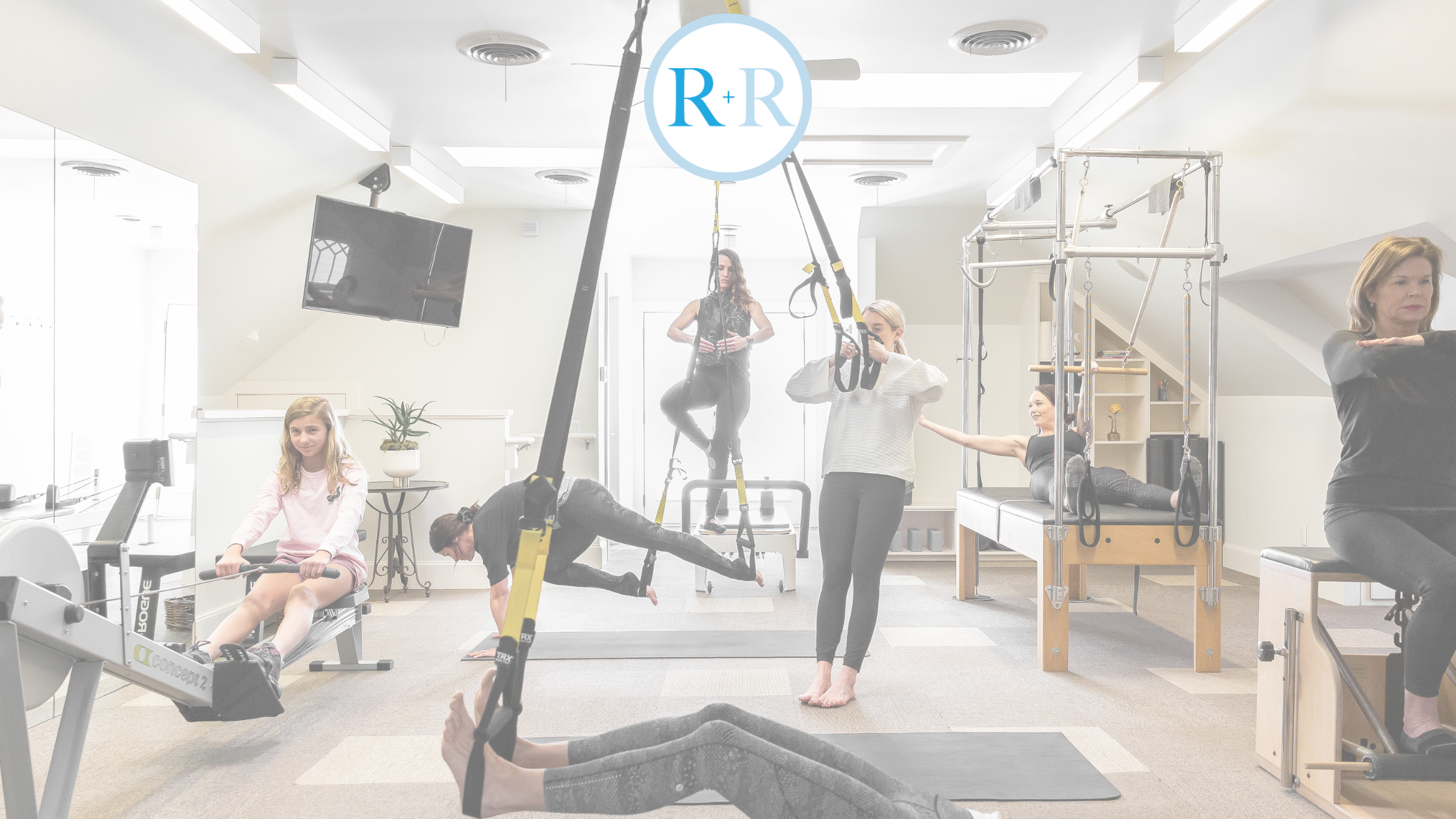
When people think about muscle, they often think about strength, aesthetics, or athletic performance. But muscle is far more than that. Muscle is one of the most important organs in the body for metabolic health, blood sugar control, aging well, and maintaining independence throughout life. This is true for everyone, regardless of age, gender, or fitness level.
In fact, maintaining muscle may be one of the most powerful tools we have for preventing chronic disease and improving quality of life as we age.
What Muscle Actually Does
Skeletal muscle is one of the body’s most metabolically active tissues. It plays a central role in:
Regulating blood sugar and insulin sensitivity
Supporting a healthy metabolism at rest
Maintaining balance, posture, and mobility
Protecting joints and bones
Reducing risk of injury and falls
Unlike body fat, muscle tissue actively uses energy even when you are at rest. The more muscle you have, the better your body can manage energy, movement, and recovery.
Muscle, Blood Sugar, and Insulin Resistance
One of muscle’s most important and often overlooked roles is how it helps regulate blood sugar.
Muscle Acts as a “Sponge” for Sugar
Think of muscle like a sponge for glucose.
When you eat carbohydrates, your body breaks them down into glucose (sugar), which enters your bloodstream. Insulin’s job is to help move that sugar out of the blood and into cells where it can be used for energy. Skeletal muscle is the primary place where this glucose is stored and used.
More muscle means more “sponge” available to soak up glucose.
Less muscle means fewer places for sugar to go, leaving more circulating in the bloodstream.
When muscle mass is low or muscle is underused, sugar stays in the blood longer, forcing the body to release more insulin. Over time, this can contribute to insulin resistance and blood sugar dysregulation.
Muscle plays a central role in glucose regulation and insulin sensitivity, with research showing that higher muscle mass is linked to improved insulin and glucose measures (PubMed). Strength training improves the ability of muscle cells to take in glucose, even without large changes in weight.
The takeaway is simple: building and maintaining muscle helps your body process and handle sugar more efficiently.
Muscle Loss as We Age
Muscle loss is not just a result of aging, it is one of the drivers of age-related decline.
Beginning in our 30s, adults naturally start to lose muscle mass. This process accelerates with age and is known as sarcopenia.
Without intentional intervention, adults can lose significant muscle each decade.
Loss of muscle is associated with:
Reduced strength and endurance
Increased risk of falls and fractures
Slower metabolism
Greater insulin resistance
Loss of independence later in life
The good news is that muscle loss is not inevitable. Resistance and strength-based training can slow, stop, and even reverse much of this decline at nearly any age.
How Much Muscle Should People Aim to Have?
This topic can feel confusing because muscle is not measured the same way as body weight. When we talk about muscle goals, we are referring to skeletal muscle mass, not total lean mass or overall weight.
Skeletal Muscle Explained Simply
Skeletal muscle mass is often expressed as a % of total body weight. This % reflects how much of your body weight is made up of muscle that helps you move, lift, and stabilize your body.
General reference ranges used in body composition analysis:
Women: approximately 24–30% skeletal muscle
Men: approximately 33–39% skeletal muscle
These are not perfection targets. They are helpful ranges that indicate metabolically healthy muscle mass for most adults.
Real-World Examples
Example 1: Woman weighing 140 pounds
24% muscle = ~34 pounds of skeletal muscle
30% muscle = ~42 pounds of skeletal muscle
A woman at 140 pounds would generally aim to fall somewhere in the mid-30s to low-40s pounds of skeletal muscle, depending on her frame, genetics, and health status.
Example 2: Man weighing 210 pounds
33 % muscle = ~69 pounds of skeletal muscle
39 % muscle = ~82 pounds of skeletal muscle
A man at 210 pounds would generally aim for roughly 70 to low-80s pounds of skeletal muscle.
These numbers are not goals that must be hit exactly. They are reference points to help understand whether someone is under-muscled, adequately muscled, or has room to build more muscle for metabolic and functional health.
How Is Muscle Measured?
Muscle mass is measured through body composition testing, not a standard scale. Common methods include:
DEXA scans: Highly accurate and often considered a gold standard for body composition
Bioelectrical impedance (InBody scans): Common in wellness clinics and gyms, useful for tracking trends over time
Each method has its own margin of error, which is why tracking changes over time using the same method is more important than a single measurement.
Muscle Health Is More Than a Number
Muscle mass %’s are just one piece of the picture. Muscle health is also reflected in:
Strength levels
Balance and stability
Ability to perform daily tasks
Energy levels and recovery
Someone may fall slightly outside a % age range and still be very healthy if they are strong, functional, and metabolically stable.
Tracking muscle over time, rather than focusing solely on scale weight, provides a clearer and more empowering picture of health.
What Is Strength Training?
“Strength training” is a common buzzword, but it does not mean one specific thing.
Strength training refers to any activity where muscles work against resistance to become stronger. That resistance can come from:
Free weights (dumbbells, barbells)
Machines
Resistance bands
Bodyweight (squats, push-ups, lunges)
Strength training typically involves controlled movements performed for repetitions and sets. The goal is to challenge muscles enough that they adapt by becoming stronger and more resilient.
Most people benefit from strength training at least three times a week, targeting all major muscle groups.
How to Maintain and Build Muscle
Exercise
Strength or resistance training at least three days per week
Focus on compound movements that use multiple muscles at once, such as squats, hinges, presses, and pulls
Progress gradually by increasing resistance, repetitions, or difficulty over time
Nutrition: The Role of Complete Protein
Protein intake and specific amino acids are important for stimulating muscle protein synthesis and helping preserve muscle as we get older (PubMed).
Examples of complete protein sources include:
Eggs
Poultry (chicken, turkey)
Fish and seafood
Beef and pork
Dairy products like Greek yogurt, milk, and cottage cheese
Soy products such as tofu, tempeh, and edamame
Distributing protein intake evenly throughout the day supports muscle protein synthesis, especially as we age.
Supplements That May Support Muscle Health
Supplements are not a replacement for nutrition and training, but some may help support muscle maintenance and development:
Creatine: One of the most researched supplements, shown to support strength, muscle mass, and power in both men and women, including older adults. Creatine supplementation combined with resistance training has been shown to enhance muscle mass and strength in aging adults (PubMed).
Essential amino acids (EAAs) or branched-chain amino acids (BCAAs): May help support muscle protein synthesis, especially when protein intake is low.
Vitamin D: Important for muscle function and strength, particularly in individuals with deficiency.
Magnesium: Supports muscle contraction, recovery, and overall metabolic health.
Supplement needs are individual, and guidance from a healthcare professional is recommended.
Lifestyle Factors
Adequate sleep supports muscle recovery and hormone balance
Managing stress helps reduce muscle breakdown
Consistent movement throughout the day reinforces muscle function
The Real-Life Benefits of Muscle
Maintaining muscle improves far more than appearance. People with healthy muscle mass often experience:
Better blood sugar control
Greater physical confidence
Fewer aches and pains
Higher energy levels
Increased longevity and independence
Muscle is not just about how long you live, but how well you live.
Muscle is a cornerstone of lifelong health. It supports metabolism, protects against insulin resistance, slows age-related decline, and empowers people to stay strong and capable at every stage of life.
Prioritizing muscle is not optional, it is essential. Building and maintaining muscle through strength training, proper nutrition, and supportive lifestyle habits is one of the most impactful investments you can make in your long-term health.
No matter your age or starting point, it is never too late to build strength.
How R+R Can Support You
At Restore + Revive, we understand that building and maintaining muscle can feel overwhelming, but you don’t have to do it alone. Our team can help provide guidance, order body composition testing, and progress tracking to ensure you’re on the right path. Our team of dietitians can prepare customized nutrition consultations and plans targeting protein intake, reducing inflammation, and supporting overall wellness. We also carry high-quality supplements and offer supportive therapies at our wellness center to support muscle growth, recovery, and overall health. Whether you’re just starting out or looking to refine your routine, we’re here to help you reach your muscle health goals safely and effectively.
Contact us at (817) 720-6220 ext. 2 to book an appointment with our functional medicine team or to learn more about how we can help you.
Some of Restore + Revive employees favorite gyms in Fort Worth that actively support strength training:
The information provided in this blog is for educational and informational purposes only and is not intended as medical advice. Always consult with your healthcare provider before starting any new service, product, or treatment. Please note that prices, offerings, and other details mentioned in this post reflect information available at the time of publication and may have changed since.