
What Is Histamine and How Is It Affecting My Child’s Health?
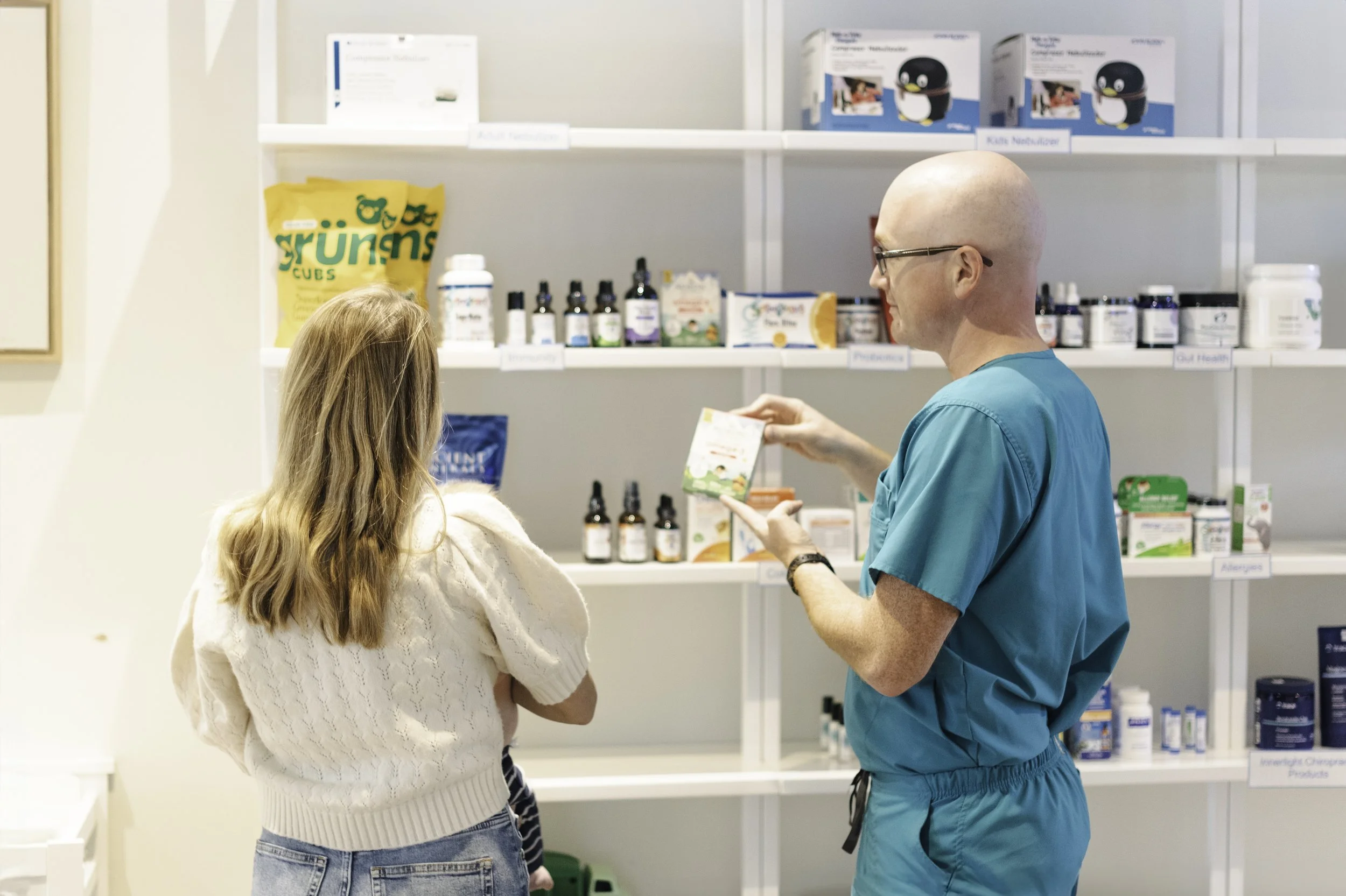
Q&A with Dr. Shane Rainey, Pediatrician
If your child struggles with eczema, allergies, hives, or unexplained skin or behavioral flares, histamine may be playing a bigger role than you realize. As a functional medicine pediatrician Fort Worth, Dr. Shane Rainey takes a whole-child approach to help families understand what is driving these symptoms rather than just treating them on the surface. In this Q&A, Dr. Rainey explains what histamine is, why some children become more sensitive to it, and practical ways to help calm the body naturally so kids can feel better from the inside out.
Q: What is histamine?
Dr. Rainey:
Think of histamine like your child’s built-in alarm system. It’s a normal chemical messenger the body makes to help the immune system respond to potential threats like allergens, bug bites, or infections.
When everything is working like it should, histamine is actually really helpful. It might cause a runny nose during allergy season or make a mosquito bite itchy so your child notices it and reacts the way they’re supposed to.
But sometimes that alarm system gets a little too sensitive. It can go off when there’s no real danger, or it can stay switched on longer than it should. That’s when we start to see symptoms like itchy skin, eczema flares, hives, or chronic runny noses, even from things that normally wouldn’t bother most kids.
So histamine isn’t the enemy. It actually has an important job. The issue is when it gets out of balance and starts overreacting.
Q: Why do some children seem overloaded with histamine?
Dr. Rainey:
There are a few common reasons we see this in kids:
Immature detox pathways
Some children simply haven’t fully developed the ability to break histamine down efficiently yet.Exposure to allergens, chemicals, or chronic inflammation can keep the immune system in a more activated state.
Seasonal allergens like pollen, grass, and ragweed
Indoor allergens such as dust mites, pet dander, or mold
Household toxins like cleaning products, laundry detergents, scented lotions, candles, air fresheners, and room sprays
Poor indoor air quality or lack of filtration
Chlorine and other irritants in pools or tap water
Ongoing low-level inflammation from things like poor diet, lack of sleep, or chronic stress on the body
Gut dysfunction
The gut plays a big role in histamine regulation. When the microbiome is out of balance, histamine can build up more easily. This can be triggered by things like:Frequent or early antibiotic use
A diet high in processed foods and sugar
Food sensitivities that cause ongoing irritation
Infections or imbalances in gut bacteria
Chronic constipation or poor digestionEnvironmental load
Most of the time, it’s not just one thing. It’s a combination that pushes the system over its threshold.
Q: What are signs of histamine overload in kids?
Dr. Rainey:
Histamine issues can show up in a lot of different ways, which is why they’re often overlooked. Common signs include:
Eczema or skin flares
Hives or unexplained rashes
Chronic runny nose or congestion
Headaches
Sleep disruption or frequent night waking
Behavioral changes or emotional “flares”
When you start seeing patterns across multiple systems, that’s when histamine becomes something worth looking at more closely.
Q: Do high histamine foods matter?
Dr. Rainey:
Yes, but with an important caveat. Food can contribute to histamine load, but removing foods alone is rarely the full solution. It’s more about the body’s ability to process histamine than it is about avoiding every possible trigger forever.
That said, in some children, temporarily reducing high histamine foods can help calm symptoms while we work on the underlying system.
Common high histamine foods include:
Aged cheeses like cheddar and parmesan
Fermented foods like yogurt, sauerkraut, and kimchi
Cured or smoked meats
Tomatoes, spinach, and eggplant
Chocolate and some citrus fruits
The key is not fear or restriction, but understanding when food is playing a role versus when it’s something deeper.
Q: How does histamine relate to seasonal allergies?
Dr. Rainey:
This is where histamine really becomes most familiar to families, especially during allergy season.
When your child is exposed to things like grass, pollen, dust, or pet dander, the immune system can overreact and release histamine. That histamine release is what causes many of the classic allergy symptoms like sneezing, itchy eyes, runny nose, and even eczema flares.
So in that sense, histamine is actually part of the normal allergic response, it’s the body’s signal that something is triggering the immune system.
During allergy season, many families turn to antihistamine medications or more natural histamine support supplements to help reduce symptoms. And while these can be helpful for symptom relief, it’s important to understand what they are doing. They are essentially helping to quiet down the histamine response temporarily, not necessarily addressing why the immune system is reacting so strongly in the first place.
I like to take the approach of not just trying to block histamine, we ask why the body is becoming so reactive in the first place. That’s where gut health, immune balance, and environmental load all come into play.
The goal is not to fear histamine, but to better understand it so we can support the body in a more sustainable way.
Q: How do you calm histamine naturally?
Dr. Rainey:
The goal is not to eliminate histamine completely, but to help the body process it more effectively and reduce unnecessary activation. Some foundational strategies include:
Gut support
Supporting a healthy microbiome can improve histamine breakdown and immune balance.Nutrient cofactors
Nutrients like vitamin C, vitamin B6, zinc, and others help the body metabolize histamine more efficiently.Fresh, whole foods
Emphasizing fresh meats, fruits, and vegetables while minimizing highly processed foods can reduce overall inflammatory load.Anti-inflammatory fats
Foods like olive oil and avocado support cell and immune health.Herbs like turmeric and ginger
These can help calm inflammation and support immune regulation.Reducing inflammatory triggers overall
This includes environmental exposures, gut irritants, and chronic stress on the system.
The goal is to lower the “background noise” so the immune system is not constantly in overdrive.
Q: What are some practical ways to help calm histamine, specifically during allergy season?
Dr. Rainey:
There are a lot of simple, everyday strategies that can help reduce the overall histamine load on a child’s body, especially during high allergy seasons when pollen, grass, and environmental exposures are higher. Some of the most helpful things I recommend include:
Shower and change clothes after being outside
Pollen and environmental allergens can stick to skin, hair, and clothing. A quick shower after outdoor play, or at least changing clothes, can significantly reduce ongoing exposure in the home.
Keep windows closed during high pollen days
I am normally a huge fan and big believer in opening windows for fresh air. But during allergy season, especially for kids who are sensitive, it can actually make symptoms worse by letting pollen and other allergens inside. In those seasons, it may be best to keep windows closed to help reduce exposure indoors. If budget allows, indoor air filtration systems can also be a helpful tool to support cleaner air in the home.
Rinse face, hands, and hair in the evening
If a full shower isn’t realistic, even a quick rinse before bed can help remove allergens and reduce nighttime symptoms.
Support hydration
Proper hydration helps the body’s natural detox and clearance pathways function more effectively.
Reduce overall inflammatory load
This includes focusing on whole foods, minimizing processed foods, and supporting good sleep, since stress and poor sleep can make histamine responses worse.
Consider targeted nutrients and supplements
Certain nutrients can help support histamine balance and immune regulation, including:
Vitamin C
Zinc
Vitamin B6
Omega-3 fatty acids
Quercetin (a natural plant compound that supports histamine regulation)
Probiotics (to support gut balance and immune function.
The goal isn’t to eliminate histamine entirely, but to help the body handle it more efficiently so kids are more comfortable, especially during peak allergy times.
A final note from Dr. Rainey
When families first hear about histamine, it can sometimes feel like one more complicated piece of the puzzle. If your child has been dealing with chronic symptoms like allergies, eczema, or frequent “flares,” it’s completely understandable to feel frustrated or overwhelmed trying to connect all the dots.
As a pediatrician and a father, I understand how hard it is to watch your child feel uncomfortable and not have clear answers. Most parents I meet are simply trying their best with the information they’ve been given, and often that information is oftentimes incomplete.
My hope is that this helps you start to see histamine not as something to fear, but as a signal. When we learn how to read those signals, we can better understand what the body is trying to tell us and begin to support it more effectively.
If you feel like your child may be dealing with histamine-related symptoms and you want a deeper look, we’d be happy to help. You can schedule a free meet-and-greet or a functional medicine pediatric appointment with me to take a deeper look into your child’s overall health.
You can call us at 817-720-6220 Ext. 2 or email integrative@restoreandrevivefw.com.
Disclaimer: The information provided in this blog is for educational and informational purposes only and is not intended as medical advice. Always consult with your healthcare provider before starting any new service, product, or treatment. Please note that prices, offerings, and other details mentioned in this post reflect information available at the time of publication and may have changed since.