
Why Muscle Matters: The Foundation of Lifelong Health
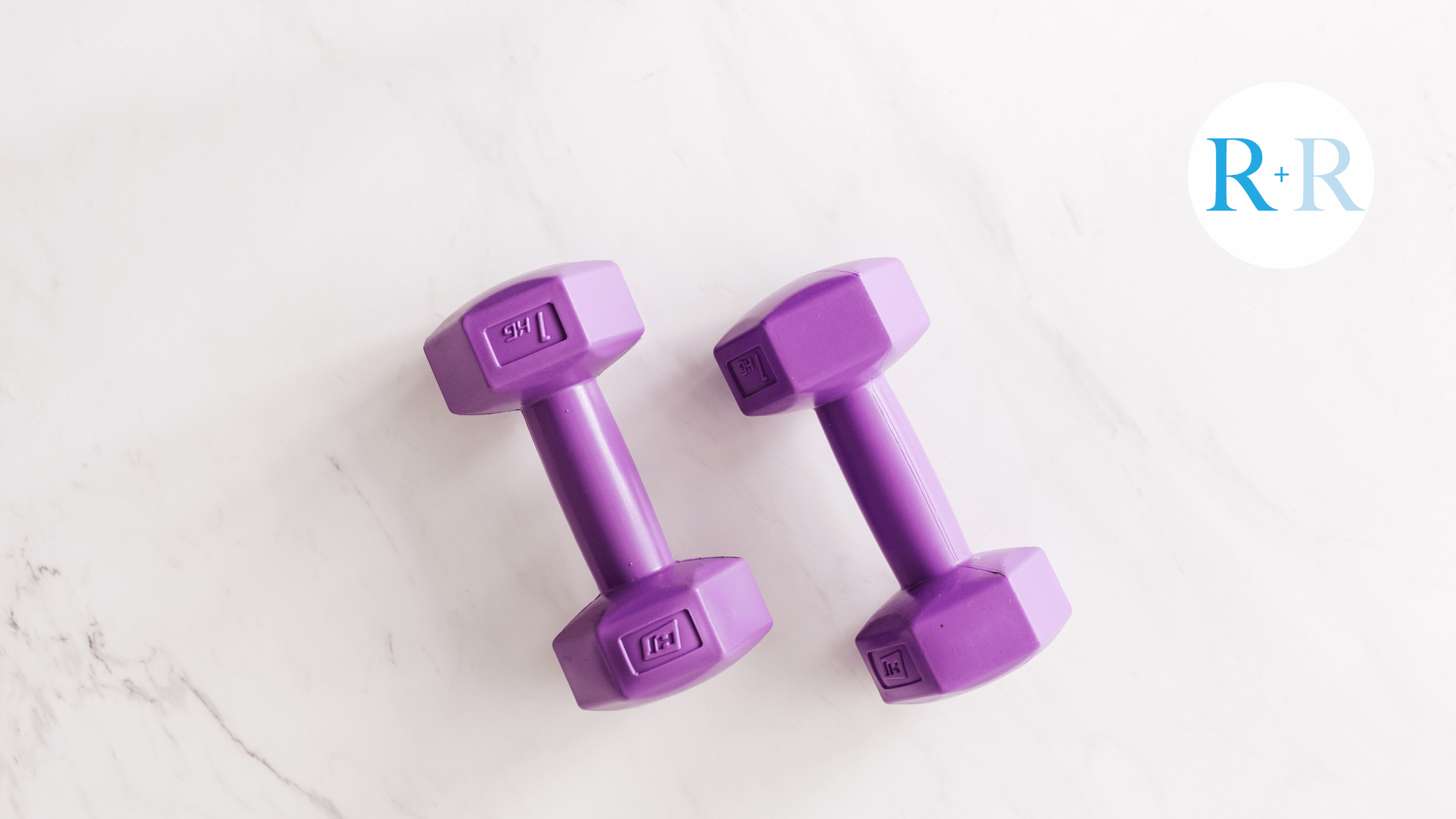
Muscle is far more than a cosmetic goal. It plays a central role in regulating blood sugar, supporting metabolism, protecting mobility, and preserving energy as we age. As muscle naturally declines over time, the risk of insulin resistance, fatigue, and loss of strength increases. Prioritizing muscle health through nutrition, movement, and lifestyle choices is one of the most effective ways to support long-term wellness, resilience, and independence at every stage of life.
When people think about muscle, they often think about strength, aesthetics, or athletic performance. But muscle is far more than that. Muscle is one of the most important organs in the body for metabolic health, blood sugar control, aging well, and maintaining independence throughout life. This is true for everyone, regardless of age, gender, or fitness level.
In fact, maintaining muscle may be one of the most powerful tools we have for preventing chronic disease and improving quality of life as we age.
What Muscle Actually Does
Skeletal muscle is one of the body’s most metabolically active tissues. It plays a central role in:
Regulating blood sugar and insulin sensitivity
Supporting a healthy metabolism at rest
Maintaining balance, posture, and mobility
Protecting joints and bones
Reducing risk of injury and falls
Unlike body fat, muscle tissue actively uses energy even when you are at rest. The more muscle you have, the better your body can manage energy, movement, and recovery.
Muscle, Blood Sugar, and Insulin Resistance
One of muscle’s most important and often overlooked roles is how it helps regulate blood sugar.
Muscle Acts as a “Sponge” for Sugar
Think of muscle like a sponge for glucose.
When you eat carbohydrates, your body breaks them down into glucose (sugar), which enters your bloodstream. Insulin’s job is to help move that sugar out of the blood and into cells where it can be used for energy. Skeletal muscle is the primary place where this glucose is stored and used.
More muscle means more “sponge” available to soak up glucose.
Less muscle means fewer places for sugar to go, leaving more circulating in the bloodstream.
When muscle mass is low or muscle is underused, sugar stays in the blood longer, forcing the body to release more insulin. Over time, this can contribute to insulin resistance and blood sugar dysregulation.
Muscle plays a central role in glucose regulation and insulin sensitivity, with research showing that higher muscle mass is linked to improved insulin and glucose measures (PubMed). Strength training improves the ability of muscle cells to take in glucose, even without large changes in weight.
The takeaway is simple: building and maintaining muscle helps your body process and handle sugar more efficiently.
Muscle Loss as We Age
Muscle loss is not just a result of aging, it is one of the drivers of age-related decline.
Beginning in our 30s, adults naturally start to lose muscle mass. This process accelerates with age and is known as sarcopenia.
Without intentional intervention, adults can lose significant muscle each decade.
Loss of muscle is associated with:
Reduced strength and endurance
Increased risk of falls and fractures
Slower metabolism
Greater insulin resistance
Loss of independence later in life
The good news is that muscle loss is not inevitable. Resistance and strength-based training can slow, stop, and even reverse much of this decline at nearly any age.
How Much Muscle Should People Aim to Have?
This topic can feel confusing because muscle is not measured the same way as body weight. When we talk about muscle goals, we are referring to skeletal muscle mass, not total lean mass or overall weight.
Skeletal Muscle Explained Simply
Skeletal muscle mass is often expressed as a % of total body weight. This % reflects how much of your body weight is made up of muscle that helps you move, lift, and stabilize your body.
General reference ranges used in body composition analysis:
Women: approximately 24–30% skeletal muscle
Men: approximately 33–39% skeletal muscle
These are not perfection targets. They are helpful ranges that indicate metabolically healthy muscle mass for most adults.
Real-World Examples
Example 1: Woman weighing 140 pounds
24% muscle = ~34 pounds of skeletal muscle
30% muscle = ~42 pounds of skeletal muscle
A woman at 140 pounds would generally aim to fall somewhere in the mid-30s to low-40s pounds of skeletal muscle, depending on her frame, genetics, and health status.
Example 2: Man weighing 210 pounds
33 % muscle = ~69 pounds of skeletal muscle
39 % muscle = ~82 pounds of skeletal muscle
A man at 210 pounds would generally aim for roughly 70 to low-80s pounds of skeletal muscle.
These numbers are not goals that must be hit exactly. They are reference points to help understand whether someone is under-muscled, adequately muscled, or has room to build more muscle for metabolic and functional health.
How Is Muscle Measured?
Muscle mass is measured through body composition testing, not a standard scale. Common methods include:
DEXA scans: Highly accurate and often considered a gold standard for body composition
Bioelectrical impedance (InBody scans): Common in wellness clinics and gyms, useful for tracking trends over time
Each method has its own margin of error, which is why tracking changes over time using the same method is more important than a single measurement.
Muscle Health Is More Than a Number
Muscle mass %’s are just one piece of the picture. Muscle health is also reflected in:
Strength levels
Balance and stability
Ability to perform daily tasks
Energy levels and recovery
Someone may fall slightly outside a % age range and still be very healthy if they are strong, functional, and metabolically stable.
Tracking muscle over time, rather than focusing solely on scale weight, provides a clearer and more empowering picture of health.
What Is Strength Training?
“Strength training” is a common buzzword, but it does not mean one specific thing.
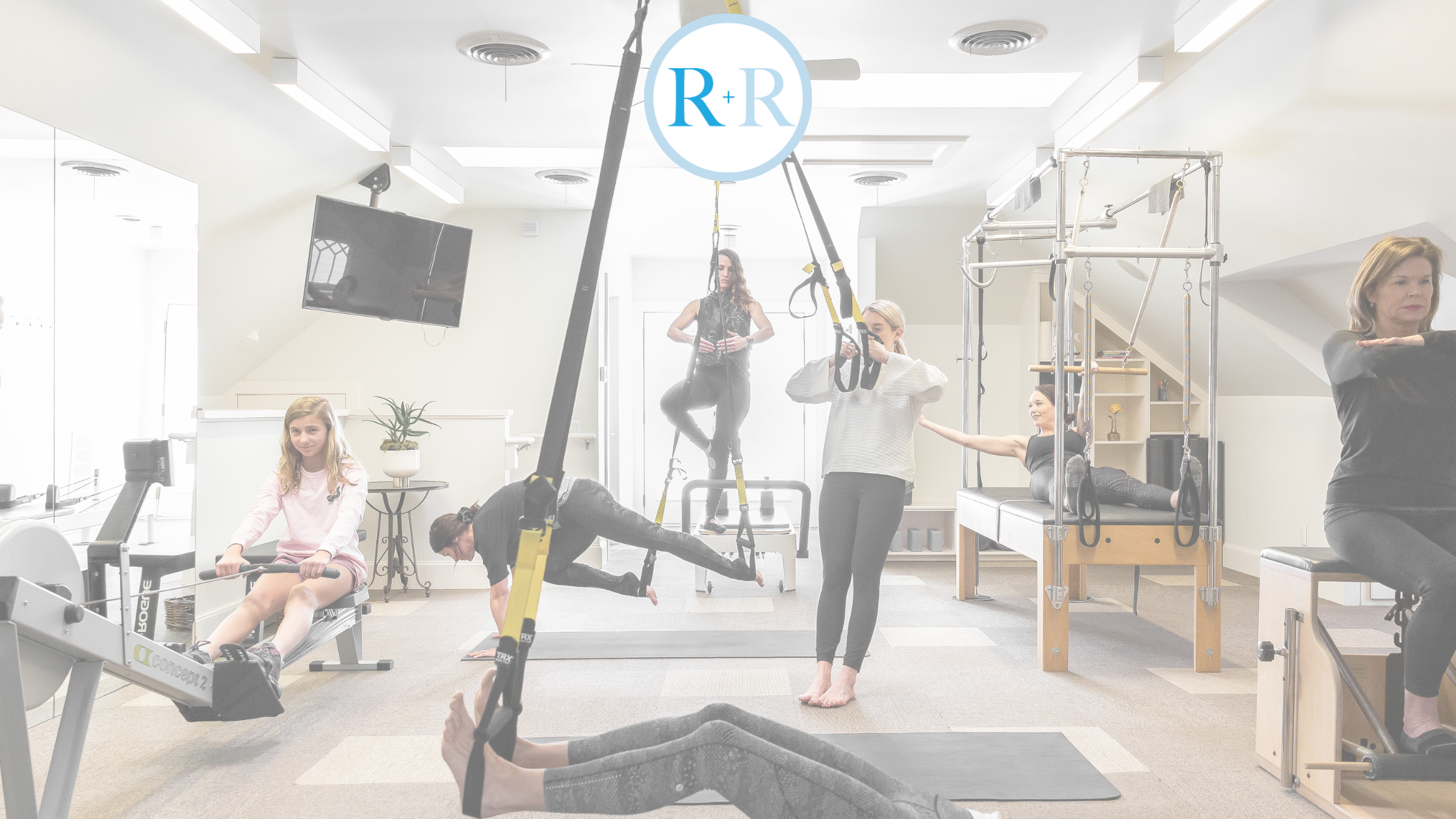
Strength training refers to any activity where muscles work against resistance to become stronger. That resistance can come from:
Free weights (dumbbells, barbells)
Machines
Resistance bands
Bodyweight (squats, push-ups, lunges)
Strength training typically involves controlled movements performed for repetitions and sets. The goal is to challenge muscles enough that they adapt by becoming stronger and more resilient.
Most people benefit from strength training at least three times a week, targeting all major muscle groups.
How to Maintain and Build Muscle
Exercise
Strength or resistance training at least three days per week
Focus on compound movements that use multiple muscles at once, such as squats, hinges, presses, and pulls
Progress gradually by increasing resistance, repetitions, or difficulty over time
Nutrition: The Role of Complete Protein
Protein intake and specific amino acids are important for stimulating muscle protein synthesis and helping preserve muscle as we get older (PubMed).
Examples of complete protein sources include:
Eggs
Poultry (chicken, turkey)
Fish and seafood
Beef and pork
Dairy products like Greek yogurt, milk, and cottage cheese
Soy products such as tofu, tempeh, and edamame
Distributing protein intake evenly throughout the day supports muscle protein synthesis, especially as we age.
Supplements That May Support Muscle Health
Supplements are not a replacement for nutrition and training, but some may help support muscle maintenance and development:
Creatine: One of the most researched supplements, shown to support strength, muscle mass, and power in both men and women, including older adults. Creatine supplementation combined with resistance training has been shown to enhance muscle mass and strength in aging adults (PubMed).
Essential amino acids (EAAs) or branched-chain amino acids (BCAAs): May help support muscle protein synthesis, especially when protein intake is low.
Vitamin D: Important for muscle function and strength, particularly in individuals with deficiency.
Magnesium: Supports muscle contraction, recovery, and overall metabolic health.
Supplement needs are individual, and guidance from a healthcare professional is recommended.
Lifestyle Factors
Adequate sleep supports muscle recovery and hormone balance
Managing stress helps reduce muscle breakdown
Consistent movement throughout the day reinforces muscle function
The Real-Life Benefits of Muscle
Maintaining muscle improves far more than appearance. People with healthy muscle mass often experience:
Better blood sugar control
Greater physical confidence
Fewer aches and pains
Higher energy levels
Increased longevity and independence
Muscle is not just about how long you live, but how well you live.
Muscle is a cornerstone of lifelong health. It supports metabolism, protects against insulin resistance, slows age-related decline, and empowers people to stay strong and capable at every stage of life.
Prioritizing muscle is not optional, it is essential. Building and maintaining muscle through strength training, proper nutrition, and supportive lifestyle habits is one of the most impactful investments you can make in your long-term health.
No matter your age or starting point, it is never too late to build strength.
How R+R Can Support You
At Restore + Revive, we understand that building and maintaining muscle can feel overwhelming, but you don’t have to do it alone. Our team can help provide guidance, order body composition testing, and progress tracking to ensure you’re on the right path. Our team of dietitians can prepare customized nutrition consultations and plans targeting protein intake, reducing inflammation, and supporting overall wellness. We also carry high-quality supplements and offer supportive therapies at our wellness center to support muscle growth, recovery, and overall health. Whether you’re just starting out or looking to refine your routine, we’re here to help you reach your muscle health goals safely and effectively.
Contact us at (817) 720-6220 ext. 2 to book an appointment with our functional medicine team or to learn more about how we can help you.
Some of Restore + Revive employees favorite gyms in Fort Worth that actively support strength training:
The information provided in this blog is for educational and informational purposes only and is not intended as medical advice. Always consult with your healthcare provider before starting any new service, product, or treatment. Please note that prices, offerings, and other details mentioned in this post reflect information available at the time of publication and may have changed since.

The Benefits of Hot and Cold Contrast Therapy: Infrared Sauna + Cold Plunge
Infrared sauna and cold plunge therapy work together to support recovery, circulation, and overall resilience. By alternating heat and cold, contrast therapy activates the body’s natural repair systems, helping support inflammation response, muscle recovery, mental clarity, and stress regulation. Discover why hot and cold contrast therapy has become a powerful wellness tool and how you can experience it at Restore + Revive.

Hot and cold contrast therapy has become a go-to recovery and wellness practice for athletes, busy professionals, and anyone looking to optimize their body from the inside out. By combining the deep heat of an infrared sauna with the invigorating effects of a cold plunge, contrast therapy works with your body’s natural systems to support circulation, inflammation response, brain health, and muscle recovery.
In this guide, we break down the benefits of infrared sauna and cold plunge individually, how contrast therapy works, and how you can experience both together at Restore + Revive in Fort Worth.
Infrared Sauna Therapy: Deep Heat With Powerful Benefits
Infrared saunas use light waves to heat the body directly rather than just warming the air around you. This allows for deeper tissue penetration at lower temperatures, making sessions more comfortable while still delivering strong physiological benefits.
Benefits of Infrared Sauna Therapy
Supports muscle recovery
Infrared heat increases circulation and oxygen delivery to muscle tissue, helping muscles relax and supporting recovery after strength training or physical activity. The warmth can also help improve flexibility and reduce post-workout stiffness.
Improves circulation and cardiovascular health
Heat causes blood vessels to dilate, increasing blood flow throughout the body. Large population studies have shown frequent sauna use is associated with significantly lower risk of cardiovascular disease and improved heart health.
Long-term research from Finland found that people who used a sauna four to seven times per week had about a 50 % lower risk of dying from cardiovascular disease compared with those who used a sauna only once a week, highlighting the powerful association between frequent sauna use and heart health (Science Direct).
Helps reduce inflammation
Infrared sauna therapy has been shown to help lower inflammatory markers in the body, supporting joint comfort and overall recovery.
Supports stress reduction and relaxation
Heat exposure activates the parasympathetic nervous system, helping reduce cortisol levels and promote relaxation. Many people report feeling calmer and more balanced after sauna sessions.
Promotes better sleep
Raising your core temperature and allowing it to gradually cool afterward can support deeper, more restorative sleep.
Typical Infrared Sauna Guidelines
Sauna sessions vary from 30-45 minutes depending upon your choice of specialty.
Temperatures typically range from 120 to 140°F
1x per week minimum, 3-5x sessions per week for optimal health benefits, depending on tolerance and goals
Cold Plunge Therapy: A Powerful Reset for the Body and Mind
Cold plunge therapy involves brief immersion in cold water, typically between 45 and 55°F. While it may feel intense at first, cold exposure triggers several beneficial physiological responses.
Benefits of Cold Plunge Therapy
Supports muscle comfort
Cold plunge therapy supports muscle comfort by temporarily reducing swelling and soreness while calming the nervous system. Many people use cold plunge on non-lifting days or away from intense strength training sessions as part of a broader recovery routine.
Supports inflammation response
Cold exposure causes vasoconstriction, which can help manage swelling and support the body’s natural inflammatory processes.
Boosts mental clarity and mood
Cold exposure increases norepinephrine and dopamine, neurotransmitters associated with focus, alertness, and improved mood. Many people feel energized and mentally clear after a cold plunge.
Strengthens nervous system resilience
Cold exposure acts as a controlled stressor, helping the nervous system adapt and respond more efficiently to everyday stress.
Deliberate cold exposure has been shown to trigger a stress response in the nervous system that, when managed intentionally, helps train the brain to stay calm and focused under stress. Over time, this practice can “build resilience or grit” by improving the brain’s ability to maintain mental clarity while navigating physiological stress (Andrew Huberman, Hubermanlab podcast).
Typical Cold Plunge Guidelines
30 seconds to 2 minutes for beginners
Up to 3 to 10 minutes as tolerance improves
Water temperatures typically range from 45° to 55°F
Why Hot and Cold Contrast Therapy Works So Well Together
When heat and cold are combined intentionally, the benefits extend beyond either therapy alone.
When used strategically, contrast therapy supports overall muscle recovery by improving circulation and helping the body transition between stress and relaxation. The alternating heat and cold create a pumping effect in the blood vessels, supporting nutrient delivery and metabolic waste removal without replacing proper strength training recovery.
Benefits of Contrast Therapy
Enhanced circulation
The repeated dilation and constriction of blood vessels improves blood flow and supports lymphatic drainage.
Supports inflammation management
Alternating temperatures helps the body efficiently move fluids and metabolic byproducts, supporting overall recovery.
Improved nervous system balance
Heat promotes relaxation while cold increases alertness. Together, they help train the nervous system to shift more easily between states.
Mental resilience and stress tolerance
Contrast therapy introduces controlled stress in a supportive environment, helping improve resilience over time.
A Common Hot and Cold Contrast Protocol
Many people follow a structure similar to this:
Infrared sauna for 10 to 20 minutes
Cold plunge for 1 to 2 minutes
Repeat for 2 to 3 rounds
Some people finish with heat for relaxation, while others finish with cold for a refreshed, energized feeling. Timing can be adjusted based on goals, comfort, and recovery needs.
Hydration before and after sessions is always recommended.
Please note, while sauna and cold plunge therapy can be beneficial for many people, they are not appropriate for everyone. Individuals should consult with a healthcare provider before starting contrast therapy
Experience Hot and Cold Contrast Therapy at Restore + Revive
At Restore + Revive, we offer both infrared sauna and cold plunge therapy in a comfortable, supportive setting. We can block both services together so clients can enjoy a seamless hot and cold contrast experience during a single visit. Pricing for this therapy combo is $50 (Cold plunge sessions are normally $25 and Sauna sessions $39 = $64 aka this combo is a health MAJOR steal).
Whether your goal is supporting muscle recovery, improving circulation, reducing inflammation, or enhancing mental clarity, our team can help you incorporate contrast therapy in a way that aligns with your wellness goals.
Ready to experience the benefits of hot and cold contrast therapy for yourself? Book your session with Restore + Revive today by calling (817) 720-6220 ext 1 to book.
The information provided in this blog is for educational and informational purposes only and is not intended as medical advice. Always consult with your healthcare provider before starting any new service, product, or treatment. Please note that prices, offerings, and other details mentioned in this post reflect information available at the time of publication and may have changed since.
Aging Gracefully Starts at the Cellular Level: The Power of NAD
NAD plays a critical role in how your cells produce energy, repair themselves, and respond to stress. As NAD levels naturally decline with age and chronic stress, supporting this foundational molecule can help promote energy, mental clarity, and long-term wellness. Discover why NAD therapy has become a go-to option for those looking to take their health to the next level.
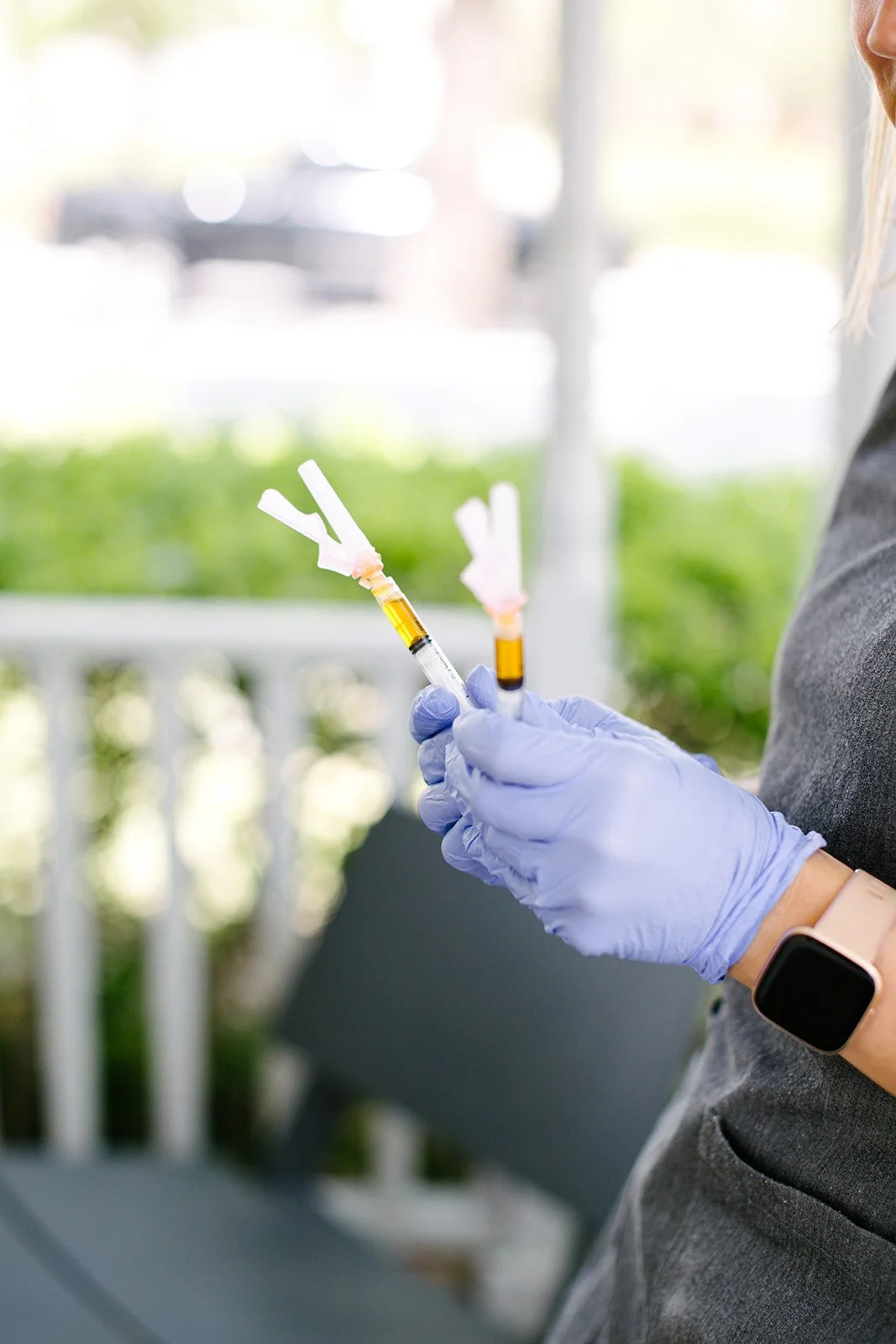
As we head into a new year, many people are looking for more than surface-level solutions. They want real energy, better focus, improved recovery, and a way to support long-term health. One therapy that continues to gain attention for its foundational role in the body is NAD.
NAD is not a stimulant or a quick fix. It works at the cellular level, supporting how your body produces energy, repairs itself, and responds to stress. That is why NAD has become a cornerstone in longevity and performance conversations.
Discover how NAD supports energy, mental clarity, and cellular health, and the ways you can incorporate it into your wellness routine at Restore + Revive in Fort Worth. For a deeper dive into what NAD is and how it works biologically, you can explore our full NAD overview here.
What Makes NAD So Important?
NAD, short for nicotinamide adenine dinucleotide, is a molecule found in every cell of your body. It plays a critical role in mitochondrial function, which is how your cells convert nutrients into usable energy. NAD is also involved in DNA repair, nervous system function, and cellular communication.
One of the reasons NAD has become such a focus in wellness and longevity is that NAD levels naturally decline with age, stress, illness, and chronic inflammation. When NAD levels drop, the body’s ability to produce energy and repair itself efficiently can decline as well.
As longevity physician Dr. Peter Attia has explained, NAD is “completely ubiquitous throughout the body” and “absolutely essential for the most important chemical reactions that happen in the body,” particularly those related to energy production and cellular repair.
The Main Benefit of NAD: Supporting Cellular Energy
At its core, NAD supports how efficiently your cells create energy. When cellular energy production improves, people often notice benefits that ripple outward, including:
Improved overall energy levels
Better mental clarity and focus
Enhanced resilience to physical and mental stress
Support for healthy aging and recovery
Rather than masking fatigue, NAD supports the systems that create energy in the first place.
This is why NAD is often discussed in longevity research and performance circles, and why it has been mentioned by well-known voices like Joe Rogan and Peter Attia in conversations around energy, aging, and optimization.
NAD and Brain Health
Your brain is one of the most energy-demanding organs in your body. NAD plays a role in neuronal energy production and DNA repair, which are essential for cognitive function over time.
Supporting NAD levels may help promote mental clarity, focus, and nervous system resilience, particularly for people experiencing burnout, high stress, or mental fatigue.
NAD and Healthy Aging
Aging is closely tied to how well our cells repair damage and produce energy. NAD supports enzymes involved in DNA repair and cellular maintenance, which is why it is often discussed in the context of healthy aging.
Rather than positioning NAD as an anti-aging treatment, it is more accurate to say that NAD supports the body’s natural repair and resilience systems that tend to decline with age.
Why IV and Injectable NAD Make a Difference
While oral supplements exist, IV and injectable NAD offer a more direct and efficient delivery method.
NAD Drip Therapy
NAD drips are administered intravenously over approximately 3 to 4 hours. NAD+ is a large, delicate molecule. If infused too quickly, it can cause side effects such as nausea, flushing, or a rapid heartbeat. Therefore, a slow IV infusion allows your body to gradually absorb the NAD+ without overwhelming the system. Additionally, NAD+ is water-soluble but unstable in the bloodstream. A slow drip ensures that more NAD+ reaches your cells over the course of several hours, rather than being cleared too quickly by the kidneys.
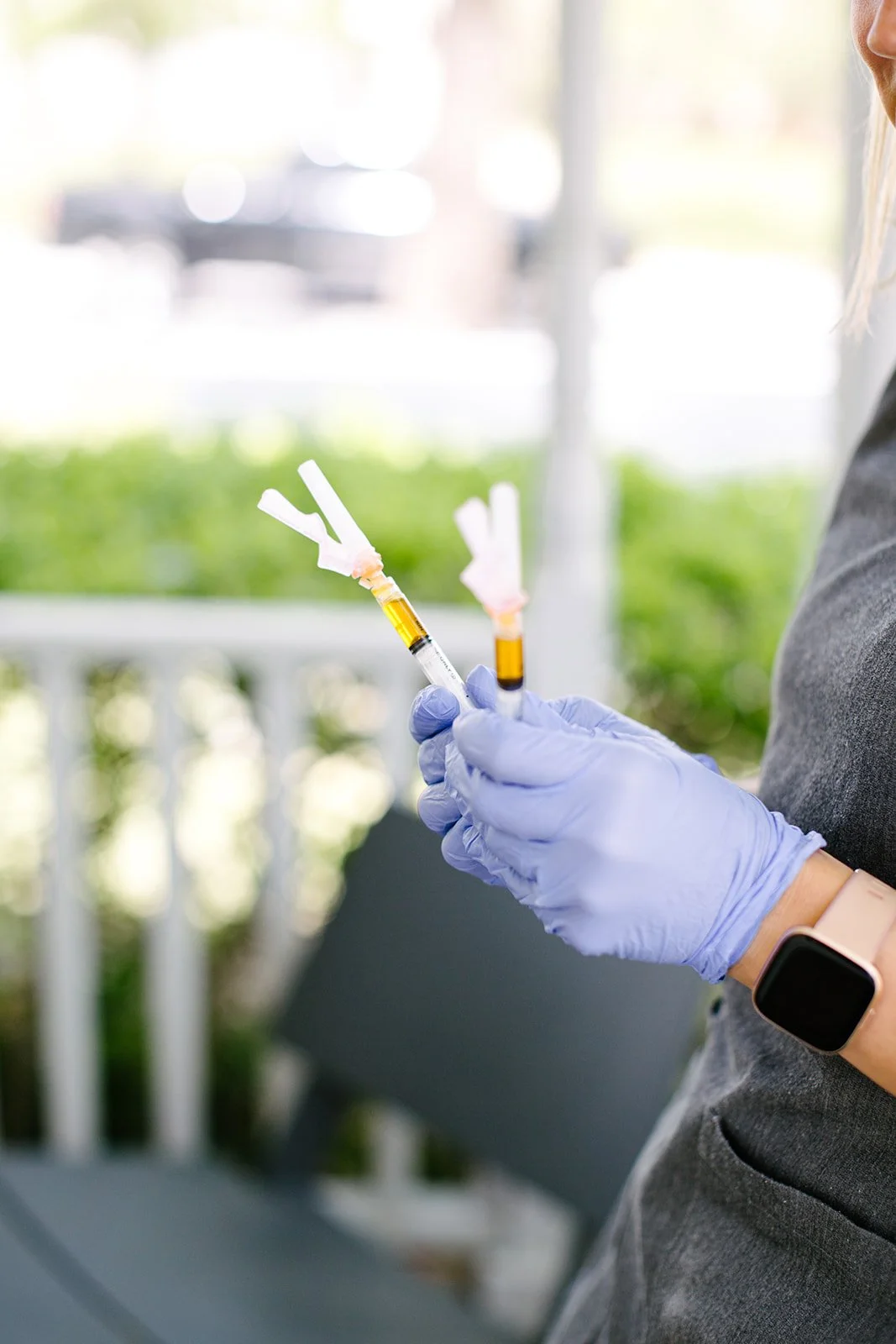
NAD Shots and NAD + SubQ Shots
At Restore + Revive in Fort Worth, NAD shots have become one of our most popular options.
NAD shots provide a quicker, more convenient way to support NAD levels without committing to a multi-hour drip. For clients looking for consistent support, we offer NAD + SubQ shots, which allow for gradual absorption and easy integration into a regular wellness routine. Most clients report minimal or no discomfort, and any mild effects typically fade within minutes to a few hours. Shots are considered a quick, convenient, and safe way to support NAD levels without the longer commitment of a 3–4 hour drip.
Oral NAD Supplements: A Supportive Tool
Oral NAD supplementation can be a helpful way to support cellular energy and repair, especially between in-office treatments. These supplements provide NAD precursors that help support the body’s natural NAD pathways, but they are not as directly bioavailable as shots or IV NAD. Oral NAD supplements are not as bioavailable because they have to pass through the digestive system first. During digestion, a portion of the NAD or its precursors is broken down in the stomach and liver before it ever reaches the bloodstream. This process, known as first-pass metabolism, reduces the amount that ultimately becomes available for cellular use.
Injectable and IV NAD bypass digestion entirely, delivering NAD directly into the bloodstream. This allows for higher absorption, more predictable dosing, and a greater amount of NAD reaching the cells where it supports energy production and repair. For that reason, we recommend using NAD shots or IV drips as the primary method of support, with oral supplementation as an additional layer to help maintain NAD levels over time.
In our Wellness Shop, we carry Quicksilver NAD+ Gold (50 mL) and Quicksilver NAD+ Platinum (100 mL) for clients looking to support their NAD levels at home alongside in-office therapy.
Who May Benefit From NAD Therapy?
NAD therapy may be a good fit for individuals who are looking to support:
Low energy or fatigue
Mental burnout or brain fog
High stress or demanding lifestyles
Recovery from illness or prolonged stress
Long-term wellness and healthy aging goals
As with any wellness therapy, personalization and consistency matter.
R+R Recommended NAD Frequency
At Restore + Revive, we recommend starting with a loading dose to accelerate the benefits 1 shot/ week for 2 months and then 1 shot every 2 months for maintenance. Therefore, 10 shots over a span of 6 months. Our 10 shot package is $480 (normally $600).
Pricing and package details can be found here.
Starting the New Year at the Cellular Level
The New Year is an opportunity to move beyond quick fixes and invest in your health at a deeper level. NAD supports the foundation of how your body creates energy and maintains resilience, making it a powerful tool for anyone focused on long-term wellness.
At Restore + Revive, we offer both NAD drips and NAD + SubQ shots, to meet you where you are in your wellness journey. Our team can help you decide which option best aligns with your goals, schedule, and lifestyle.
If you are ready to prioritize energy, clarity, and cellular health in the year ahead, NAD therapy may be the place to start.
Contact us today at (817) 720-6220 ext 1 to learn more and schedule your first appointment.
The information provided in this blog is for educational and informational purposes only and is not intended as medical advice. Always consult with your healthcare provider before starting any new service, product, or treatment. Please note that prices, offerings, and other details mentioned in this post reflect information available at the time of publication and may have changed since.